
Showing posts with label Grammar Section. Show all posts
Showing posts with label Grammar Section. Show all posts
Wednesday, November 2, 2016
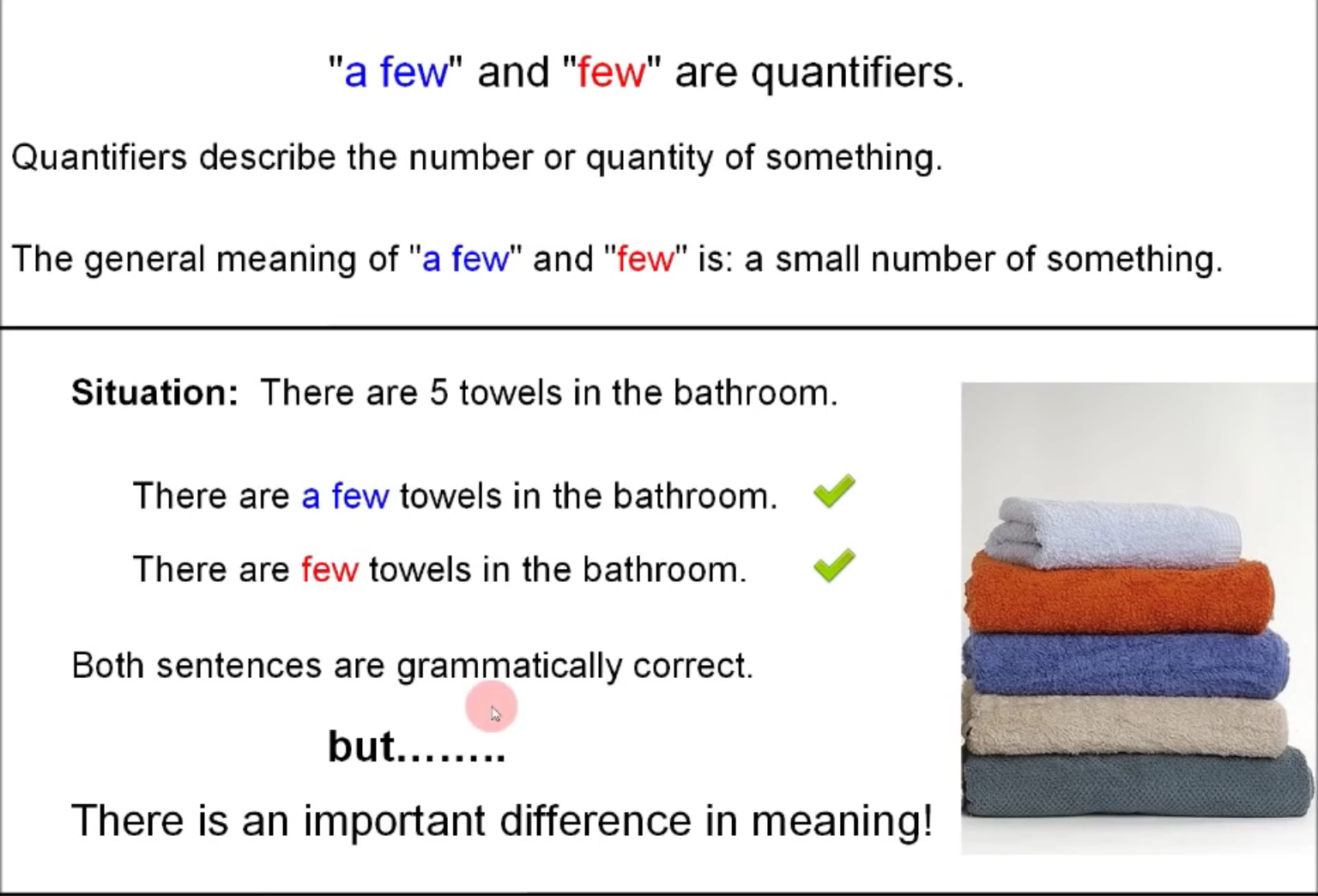
Few နဲ႔ A few တိုရဲ့ ကြဲျပားမႈမ်ား
- A few နဲ႔ Few တုိ႔ အသုံးျပဳရာမွာ အဓိပၸာယ္ကြဲျပားမႈမ်ား ေအာက္ပါပုံမ်ားမွတစ္ဆင့္ ေလ့လာႏုိင္ပါတယ္။


Little နဲ႔ A little တုိ႔ရဲ့ ကြဲျပားခ်က္မ်ား
- "little" နဲ႔ "a little" တုိ႔သည္ "Quantifier" မ်ားျဖစ္ၾကပါတယ္။ "Quantifier" ဆုိတာကေတာ့ တစ္စုံတစ္ခုႏွင့္ပတ္သက္ျပီး "အေရအတြက္" သုိ႔မဟုတ္ " ပမာဏ" ကို ေဖာ္ျပေပးတာပါ။
- "little" နဲ႔ "a little" တုိ႔ရဲ့ ေယဘုယ်အဓိပၸာယ္ကေတာ့ " a small quantity of something" ပါ။
- "little" နဲ႔ "a little" မ်ားကုိ Uncountable Noun မ်ားနဲ႔သာ အသုံးျပဳရပါတယ္။ ေအာက္ပါဥပမာတုိ႔ကုိေလ့လာၾကည့္ပါ။
- "little" နဲ႔ "a little" တုိ႔ရဲ့ ေယဘုယ်အဓိပၸာယ္ကေတာ့ " a small quantity of something" ပါ။
- "little" နဲ႔ "a little" မ်ားကုိ Uncountable Noun မ်ားနဲ႔သာ အသုံးျပဳရပါတယ္။ ေအာက္ပါဥပမာတုိ႔ကုိေလ့လာၾကည့္ပါ။
- - There is a little wine in the bottle.
- - There is little wine in the bottle.
Friday, October 7, 2016
Contain/ Consist of/ include ဆုိတဲ့ "ပါဝင္တာ၊ ပါရွိတာ" အသုံးျပဳပုံကြဲျပားမႈမ်ား
- ျမန္မာလို "မီးနင္း (Meaning) " က်က္တဲ့ အက်င့္ေၾကာင့္ အသုံးမွားရတဲ့ အဂၤလိပ္စကားလုံးေတြထဲမွာ "contain" ဟာ ေရွ႕ဆုံးက ပါတယ္။ အခု ေရးလိုက္တဲ့ "ေရွ႕ဆုံးက ပါတယ္" ကုိ Contain နဲ႔ ေျပာလို႔မရဘူး။
"ကြ်န္ေတာ္တုိ႔ထဲမွာ ေဘာလုံးကစားတတ္သူေတြ ပါဝင္တယ္"၊ "ဒီစာအုပ္ေတြထဲမွာ အဘိဓါန္ငါးအုပ္ ပါဝင္တယ္" စတာေတြကုိလည္း "contain" သုံးလို႔ မရေခ်ဘူး။
- "Contain" ဆုိတဲ့ စကားလုံးရဲ့ အဓိပၸာယ္က "have within itself, hold within itself"၊ "အထဲမွာ ရွိတာ၊ ထည့္ထားတာ" ကုိ ေျပာတာ။ ေရအုိးထဲမွာ ေရပါဝင္တာ။ စာအုပ္ထဲမွာ စာမ်က္ႏွာ ပါဝင္တာ၊ ေသတၱာထဲမွာ ပစၥည္းပါဝင္တာကုိမွ ေျပာရတယ္။ ဥပမာ-
"ကြ်န္ေတာ္တုိ႔ထဲမွာ ေဘာလုံးကစားတတ္သူေတြ ပါဝင္တယ္"၊ "ဒီစာအုပ္ေတြထဲမွာ အဘိဓါန္ငါးအုပ္ ပါဝင္တယ္" စတာေတြကုိလည္း "contain" သုံးလို႔ မရေခ်ဘူး။
- "Contain" ဆုိတဲ့ စကားလုံးရဲ့ အဓိပၸာယ္က "have within itself, hold within itself"၊ "အထဲမွာ ရွိတာ၊ ထည့္ထားတာ" ကုိ ေျပာတာ။ ေရအုိးထဲမွာ ေရပါဝင္တာ။ စာအုပ္ထဲမွာ စာမ်က္ႏွာ ပါဝင္တာ၊ ေသတၱာထဲမွာ ပစၥည္းပါဝင္တာကုိမွ ေျပာရတယ္။ ဥပမာ-
- This pot contains water.
- This jug contains milk.
- This box contains biscuits.
- This book contains ten short stories.
- This bottle contains half a pint.
- - The police officer examined the contents of Mi Mi's handbag.
- - U Soe is looking at the (table of) contents of the book.
Ask ေနာက္က Preposition ထည့္သုံးျခင္း၊ မသုံးျခင္း အဓိပၸာယ္မ်ား
- ပုံမွန္အားျဖင့္ "ေမးတယ္" လို႔ အဓိပၸာယ္ရတဲ့ "ask" ဟာ ေနာက္က Object (Noun) လိုက္မွ ေမးတယ္လို႔ အဓိပၸာယ္ထြက္ပါတယ္။ ဥပမာ-
- The teacher asked a question.
- The teacher asked the boy a question.
- He asked my address.
- He asked the girl her phone number.
- The teacher asked me to clean the board.
- The stranger asked the boy to come near.
- He asked me to dinner.
- He asked for help.
- The stranger asked the farmer for some money.
- He asked after your health.
Tuesday, October 4, 2016
Another နဲ႔ Other သုံးမယ္ဆုိရင္ သိထားသင့္တဲ့ ကြဲလြဲခ်က္မ်ား

- ပထမဆုံးမွတ္သားထားရမွာက "another" ဆုိတာ "an" နဲ႔ "other" ေပါင္းစပ္ထားတာျဖစ္တယ္ဆုိတဲ့ အခ်က္ပါပဲ။ ဒီေတာ့ သူ႔မွာ "an" ဆုိတဲ့ "article" ပါေနမွေတာ့ ဘယ္အျခား "article" မွ တဲြလို႔ရေတာ့မလဲ။ "The a boy" လို႔ သုံးမရသလိုပါပဲ။ The boy ဆုိ The boy ၊ a boy ဆုိလည္း a boy ေပါ့။ တစ္ခုပဲ သုံးလုိ႔ ရေပလိမ့္မယ္။
- Other ကုိေတာ့ "noun" အေနနဲ႔ေရာ"adjective" အေနနဲ႔ပါ သုံးႏုိင္ပါတယ္။ Noun အေနနဲ႔ သုံးရင္ "definite" ေပါင္းလုိက္ရင္ အဓိပၸာယ္မွာ "the" ထည့္ျပီး "the other" ျဖစ္သြားမယ္။ "indefinite" ေပါင္းလုိက္ရင္ အဓိပၸာယ္မွာ "an" ထည့္ျပီး "another" ျဖစ္သြားမယ္။
- The bicycle is mine. The other is my brother's. ဒီစက္ဘီးက ငါ့စက္ဘီး။ ဟုိစက္ဘီးက ငါ့ညီရဲ့စက္ဘီး။
- I don't like this pen. Show me another. ဒီေဖာင္တိန္ မၾကိဳက္ဘူး။ ေနာက္တစ္ခု ျပေပးပါ။
- Some people are honest; others are not. အခ်ဳိ႔လူမ်ား ရုိးသားတယ္။ အခ်ဳိ႕ မရုိးသားဘူး။
- I will take these two books. You can take the others. ငါ ဒီစာအုပ္ႏွစ္အုပ္ ယူမယ္။ က်န္တဲ့စာအုပ္ေတြကုိ မင္းယူႏုိင္တယ္။
- "others" ကုိ Adjective အေနျဖင့္ မသုံးမိပါေစနဲ႔။
- The other boy is my friend.
- The other boys are my friends.
- We must find another boy to join us.
- Watch what other people do.
Sunday, October 2, 2016
VERB ရဲ့ ေကာက္ေၾကာင္းနဲ႔ Verb to "be" အေၾကာင္းတစ္ေစ့တစ္ေစာင္း

- Verb ဆုိတာ ဘာလဲဆုိတာကေတာ့ အားလုံးသိျပီးျဖစ္မွာပါ။ အဂၤလိပ္ဘာသာစကားမွာ အေရးပါတဲ့ အပုိင္းအေနနဲ႔ ပါဝင္ေနတာပါ။ ျဖစ္ရပ္ (Occurrence) ၊ လႈပ္ရွားမႈ (Action) နဲ႔ ျဖစ္တည္မႈအေျခအေန ( State of being) တုိ႔ကုိ မီးေမာင္းထုိးျပေပးပါတယ္။
- ပုံမွန္အားျဖင့္ေတာ့ Verb ကုိ အမ်ဳိးအစားအားျဖင့္ (၅)မ်ဳိး ခြဲျခားထားေလ့ရွိပါတယ္။
- Action Verbs
- Auxiliary Verbs & Lexical Verb
- Dynamic Verbs & Stative Verbs
- Finite Verbs & Nonfinite Verbs
- Regular Verbs & Irregular Verbs
- နံပါတ္ (1) အုပ္စုျဖစ္တဲ့ Action Verbs အုပ္စုထဲမွ ဆုိရင္ Transitive Verb နဲ႔ Intransitive Verb ႏွစ္မ်ဳိးပါဝင္ပါတယ္။
- နံပါတ္ (၂) အုပ္စုျဖစ္တဲ့ Auxiliary Verbs မွာ Verb to "be", Verb to "Have", Verb to "Do" နဲ႔ Modal Verbs မ်ားျဖစ္ေသာ Can- could, shall- should, will- would, may- might, must, ought to ဆုိျပီး (4) မ်ဳိးပါဝင္ပါတယ္။
- နံပါတ္ (၃)၊ (၄) နဲ႔ (၅) အုပ္စုတုိ႔ကုိ နံပါတ္ (၁) အုပ္စုထဲမွ Transitive and Intransitive အုပ္စုနဲ႔ ေပါင္းစပ္ျပီး အုပ္စုတစ္ခုတည္းအျဖစ္ ဖြဲ႔စည္းလိုက္ပါတယ္။
- ဒါေၾကာင့္ Verb ကုိ အုပ္စုအားျဖင့္ (၃) မ်ဳိးပဲ မွတ္ယူႏုိင္ပါတယ္။ အဲဒါေတြကေတာ့...
Tuesday, September 13, 2016
Noun Clause အေၾကာင္းသိေကာင္းစရာ

- အဂၤလိပ္စာေလ့လာေနသူေတြအေနနဲ႔ စာဖတ္ရာမွာျဖစ္ေစ၊ စာေပေရးသားရာမွာျဖစ္ေစ ေန႔စဥ္ေတြ႔ေနရတဲ့အထဲမွာ Noun ဆုိတာ အျမဲတမ္းပဲ ေတြ႔ေနရပါတယ္။ ဒါေၾကာင့္ ဒီပုိ႔စ္မွာ အေရးပါတဲ့ Noun Clause အသုံးျပဳပုံ ေလ့လာၾကပါမယ္။
- က်န္တဲ့ Adjective Clause နဲ႔ ပတ္သက္ျပီး
Defining Relative Clauses ကုိ ဒီလင့္မွာ ေလ့လာႏုိင္ျပီး
Non-Defining Relative Clauses ကုိ ဒီလင့္မွာ ေလ့လာႏုိင္ပါတယ္။
Adverb Clause အေၾကာင္းကုိေတာ့ ေနာက္ ပုိ႔စ္မ်ားမွာ ထပ္မံရွင္းလင္း တင္ျပေပးပါ့မယ္။
- ပထမဆုံး Clause ဆုိတာဘာလဲ ….. Clause ဆုိသည္မွာ Subject နဲ႔ Verb တုိ႔ပါဝင္ျပီး အခ်က္အလက္အစုံကုိ ေပးစြမ္းႏုိင္ေခ်မရွိတဲ့ Sentence အပုိင္းအစ တစ္ခုသာျဖစ္ပါတယ္။ ဒါေၾကာင့္ Clause ကုိ ႏွစ္ပုိင္းပုိင္းျပီး dependent, or subordinate နဲ႔ Independent or Main Clause ဆုိျပီး သတ္မွတ္ၾကပါတယ္။ Subject နဲ႕ Verb တုိ႔ ပါဝင္တာခ်င္းအတူတူ Sentence အျဖစ္ရပ္တည္ႏုိင္ရင္ Independent Clause ျဖစ္ျပီး Sentence အျဖစ္မရပ္တည္ႏုိင္ရင္ Dependent Clause ျဖစ္ပါတယ္။
- Clause ေတြျဖစ္တဲ့ Noun Clause, Adjective Clause နဲ႔ Adverb Clause တုိ႔ကုိ Complex Sentence ေတြမွာ ေတြ႔ရမွာ ျဖစ္သည့္အတြက္ Clause မ်ားကုိ ပုိင္ပုိင္ႏုိင္ႏုိင္ေလ့လာထားမွသာလွ်င္ အဂၤလိပ္စာေပကုိ ဖတ္ရာမွာေသာ္လည္းေကာင္း၊ ေရးသားရာမွာ ေသာ္လည္းေကာင္း လြယ္ကူမွာျဖစ္ပါတယ္။
- ဒါေၾကာင့္ ဒီပုိ႔စ္မွာ Dependent Clause အမ်ဳိးအစားျဖစ္ေတြထဲမွ Noun Clause ကုိ ေလ့လာၾကမွာျဖစ္ပါတယ္။
Tuesday, July 19, 2016
အဂၤလိပ္လို ကိန္းဂဏန္းမ်ား၊ နံပါတ္ၾကီးမ်ားကုိ ေရး၊ဖတ္၊ေျပာဆုိပုံ

- အဂၤလိပ္လို ကိန္းဂဏန္းေတြ၊ နံပါတ္ၾကီးေတြကုိ ဖတ္ရာမွာ ျဖစ္ျဖစ္၊ ေျပာရာမွာျဖစ္ျဖစ္၊ ေရးရာမွာျဖစ္ျဖစ္ သိသားသင့္တဲ့ အပုိင္းေတြကုိ ဒီပုိ႔စ္မွာ ေရးသားတင္ျပေပးသြားပါမယ္။ အမ်ားစုသိထားႏုိင္တာကေတာ့ "one to thousand (1,2,3,.....100,101,...200.....1000" ေလာက္ထိေတာ့ အခက္အခဲမရွိေရးႏုိင္ဖတ္ႏုိင္ေျပာႏုိင္ၾကပါတယ္။ ကိန္းဂဏန္းေတြၾကီးလာျပီး သုိ႔မဟုတ္ မ်ားလာျပီဆုိရင္ေတာ့ ရုတ္တရက္ ဖတ္ရတာ ခက္သြားတတ္ပါတယ္။ Listening ပုိင္းမွာဆုိရင္ နားေထာင္ျပီး ျပန္ေရးေျဖရေတာ့မယ္ဆုိ မကြ်မ္းက်င္ရင္ ဘာမွန္းမသိျဖစ္သြားတတ္ပါတယ္။ အဂၤလိပ္လို Big Numbers ေတြဖတ္ပုံ၊ ဖတ္နည္းေလး ေရးေပးဖုိ႔ ေတာင္းဆုိထားတဲ့သူေတြ ရွိေနတာေၾကာင့္ ဒီပုိ႔စ္နဲ႔ ေရးသားရွင္းျပလိုက္ရပါတယ္။
Monday, July 18, 2016
Much န႔ဲ Many ကုိ အသုံးျပဳပုံအေသးစိတ္
- IELTS သင္ခန္းစာေတြပဲဖတ္ေနရေတာ့ပ်င္းေနမွာစုိးလို႔.. အလွည့္အေျပာငး္အေနျဖင့္ Grammar ပုိင္းမွာ ေရာေထြးတတ္တဲ့ အပုိင္းေလးေတြကုိ မၾကာခဏဆုိသလို ေရးသား တင္ျပေပးသြားပါမယ္။ အခုဒီပုိ႔စ္မွာေတာ့ "Many" နဲ႔ "Much" အသုံးခ်မႈ ကြဲျပားပုံကုိ ရွင္းျပေပးသြားမွာ ျဖစ္ပါတယ္။
- Much နဲ႔ Many ႏွစ္ခုစလုံးကုိ Quantity (အေရအတြက္) ေတြကုိ ေဖာ္ျပခ်င္တဲ့အခါမ်ဳိးမွာ အသုံးျပဳပါတယ္။ အၾကမ္းဖ်င္းအားျဖင့္ Much က uncountable အတြက္သုံးမွာျဖစ္ျပီး၊ Many က Countable အတြက္အသုံးျပဳမွာျဖစ္ပါတယ္။ ဒီပုိ႔စ္မွာ Much and Many တုိ႔ရဲ့ Countable and Uncountable အတြက္ ဘယ္လိုအေျခအေနမ်ဳိးေတြမွာ အသုံးျပဳသလဲဆုိတာကုိ အေသးစိတ္ေလ့လာၾကရမွာပါ။
Questions about quantity (1) – Countable Nouns
အခု Quantity န႔ဲ ပတ္သက္ျပီး စတင္ေလ့လာၾကပါမယ္။ ေအာက္ပါဥပမာမ်ားကုိ ေလ့လာသုံးသပ္ၾကည့္ရေအာင္ပါ။
- - How many apples are there?
- - How many eggs are there?
- - How many bananas are there?
အထက္ပါ ဥပမာပါေမးခြန္းမ်ားကုိ ခြဲျခမ္းစိတ္ျဖာျပီး ေလ့လာၾကည့္ၾကပါမယ္။
Saturday, July 16, 2016
Indefinite Articles “a”, “an” အေၾကာင္းသိေကာင္းစရာမ်ား

- Article မွာ “definite article” ႏွင့္ “indefinite article” ဆုိျပီး ႏွစ္မ်ဳိးရွိတယ္ဆုိတာ သိရွိျပီးျဖစ္မွာပါ။ အခု ဒီပုိ႔စ္မွာေတာ့ “indefinite article” အေၾကာင္းသီးသန္႔ေလ့လာႏုိင္ရန္ တင္ျပေပးသြားမွာ ျဖစ္ပါတယ္။
- “a” နဲ႔ “an” မ်ားဟာ “indefinite article” မ်ားျဖစ္ၾကျပီး Indefinite Article ဆုိတာက “မတိက်၊ မေသရာမႈ၊ တနည္းအားျဖင့္ “not specific” လို႔ ဆုိလိုတာပါ။ ဒါေၾကာင့္ non-specific noun ေတြနဲ႔ ပတ္သက္ျပီး ေရးသားေျပာဆုိခ်င္တယ္ဆုိရင္ “a” “an” ကုိ အသုံးျပဳေလ့ရွိပါတယ္။ “the” ကေတာ့ Definite Article ျဖစ္ျပီး တိက်ေသခ်ာတဲ့ Noun ေတြ၊ တနည္းအားျဖင့္ specific noun မ်ားနဲ႔ ပတ္သက္ျပီး ေရးသားေျပာဆုိရာမွာ အသုံးျပဳၾကပါတယ္။
Sunday, July 10, 2016
Defining Relative Clauses အတြက္ ေလ့က်င့္ခန္းမ်ား
Relative Clauses မ်ားအေၾကာင္းသိေကာင္းစရာ - Defining Relative Clauses ကိုေပးထားတဲ့လင့္မွာ ရွင္းျပခဲ့ၿပီးျဖစ္ပါတယ္။
ေနာက္ဆက္တဲြအေနျဖင့္ ေလ့က်င့္ခန္းမ်ားကို ေျဖၾကည့္ပါ။
Defining Relative Clauses Exercise 1
Make one sentence from the two short ones. The sentence in italics should become the relative clause. The relative pronoun is the subject of the relative clause.-
She worked for a man. The man used to be an athlete.
_______________________________________________________________
-
They called a lawyer. The lawyer lived nearby.
_______________________________________________________________
-
I sent an email to my brother. My brother lives in Australia.
_______________________________________________________________
-
The customer liked the waitress. The waitress was very friendly.
_______________________________________________________________
-
We broke the computer. The computer belonged to my father.
_______________________________________________________________
-
I dropped a glass. The glass was new.
_______________________________________________________________
-
She loves books. The books have happy endings.
_______________________________________________________________
Friday, July 8, 2016
Conditional Sentence မ်ားအေၾကာင္းသိေကာင္းစရာ (Third Conditionals)

- Zero Conditionals၊ First Conditional နဲ႔ Second Conditionals မ်ားအေၾကာင္းကုိ တင္ျပခဲ့ျပီးျဖစ္ပါတယ္။
- အခုဆုိရင္ Conditional sentence မ်ားကုိ တင္ျပလာတာ ေနာက္ဆုံးအပုိင္းျဖစ္တဲ့ Third Conditionals အပုိင္းကုိ ေရာက္လာပါျပီ။ Second Conditionals နဲ႔ အခုတင္ျပမယ့္ Third Conditionals မ်ားဟာ Unreal Conditionals မ်ားျဖစ္ၾကပါတယ္။ အခု Third Conditionals မ်ားအေၾကာင္းစတင္ေလ့လာၾကည့္ရေအာင္ပါ။
- Third Conditionals က ဘာကုိ ေဖာ္ျပေပးသလဲဆုိေတာ့ "စိတ္ကူးယဥ္ဆန္တဲ့ မျဖစ္ႏုိင္မႈေတြကုိ အတိတ္မွာျဖစ္ခဲ့ခ်င္တာမ်ဳိး"ကုိ ေဖာ္ျပခ်င္ရင္ သုံးတာပါ။ ဒါေၾကာင့္ Second Conditionals လိုပဲ Unreal Conditionals အမ်ဳိးအစားပဲျဖစ္ပါတယ္။
- မျဖစ္္ႏုိင္ခဲ့တဲ့အရာေတြနဲ႔ပတ္သက္ျပီး ရလဒ္ေကာင္းလိုခ်င္ခဲ့မိတာကုိ လက္ရွိအခ်ိန္မွာ စိတ္ကူးယဥ္တာမ်ဳိးအတြက္ပါ။ ဥပမာ-
Monday, July 4, 2016
Relative Clauses မ်ားအေၾကာင္းသိေကာင္းစရာ - Non-Defining Relative Clauses

- Non-defining relative clauses က သူရည္ညႊန္းလိုက္တဲ့ Noun ကုိအဓိပၸာယ္သတ္မွတ္ေပးတာမ်ဳိး မဟုတ္ဘဲ ၄င္း Noun နဲ႔ပတ္သက္ျပီး အခ်က္အလက္မ်ားကုိ ပုိမုိျပည့္စုံေအာ္ျဖည့္ဆည္းေပးတာမ်ဳိးပဲ ျဖစ္ပါတယ္။
- Defining Relative Clauses အေၾကာင္းေလ့လာခ်င္ပါက ဒီလင့္မွာ ဝင္ေရာက္ဖတ္ရႈႏုိင္ပါတယ္။
- Noun နဲ႔ Relative clause ကုိ ဆက္စပ္ရန္ Relative Pronouns (who, whom, whose, which, that) မ်ားကုိ သိထားရမွာျဖစ္ပါတယ္။
- Non-defining relative clauses ကုိ Spoken English မွာ သုံးေလ့သုံးထမရွိဘဲ Written English မွာပဲ အဓိက အသုံးျပဳၾကပါတယ္။
- - We visited Maha Bandula Park, which is close to Sule Pagoda.
- (which is close to Sule Pagoda) က Non-defining relative clause ျဖစ္ပါတယ္။
မဟာဗႏၶဳလပန္းျခံဟာ
ရန္ကုန္ျမိဳ႕မွာ တစ္ခုတည္း ရွိတဲ့အတြက္ေၾကာင့္ ၄င္းပန္းျခံကုိ အမ်ဳိးအမည္ခဲြျခားသတ္မွတ္တာမ်ဳိး၊
အဓိပၸာယ္သတ္မွတ္တာမ်ဳိးလုပ္ဖုိ႔ မလိုအပ္ေတာ့ပါ။
Sunday, July 3, 2016
Relative Clauses မ်ားအေၾကာင္းသိေကာင္းစရာ - Defining Relative Clauses

- အခုဒီပုိ႔စ္မွာေတာ့ Spoken English နဲ႔ Written English မွာ အလြန္အသုံးဝင္ေသာ Relative Clauses မ်ားအေၾကာင္းကုိ ရွင္းလင္းတင္ျပေပးသြားမွာပါ။
- Noun နဲ႔ Relative clause ကုိ ဆက္စပ္ရန္ Relative Pronouns (who, whom, whose, which, that) မ်ားကုိ သိထားရမွာျဖစ္ပါတယ္။
- ပုံမွန္အားျဖင့္ Relative Clauses ကုိ Defining Relative Clauses ႏွင့္ Non-defining Clauses ဆုိျပီး ႏွစ္မ်ဳိးႏွစ္စားခြဲျခားထားပါတယ္။ ဒီပုိ႔စ္မွာေတာ့ Defining Relative Clauses အေၾကာင္းကုိ တင္ျပေပးမွာျဖစ္ျပီး ေနာက္ေရးသားမဲ့ ပုိ႔စ္မွာေတာ့ Non-defining Relative Clauses အေၾကာင္းကုိ တင္ျပေပးမွာျဖစ္ပါတယ္။
- အခု Defining Relative Clauses အေၾကာင္းကုိ စတင္ ေလ့လာၾကည့္ရေအာင္ပါ။
Thursday, June 30, 2016
Conditional Sentence မ်ားအေၾကာင္းသိေကာင္းစရာ (Second Conditionals)
- Conditional မ်ားအေၾကာင္းေရးလာတာ အခုဆုိရင္ တတိယေျမာက္ Second Conditional အလွည့္ေရာက္လာပါျပီ။
- ZeroConditional အေၾကာင္းကုိေတာ့ ဒီလင့္မွာ ဖတ္ႏုိင္ပါတယ္။
- FirstConditional အေၾကာင္းကုိေတာ့ ဒီလင့္မွာ ဖတ္ႏုိင္ပါတယ္။
အခု
Second Conditional က ဘာဆုိတာနဲ႔ ဘယ္လိုအသုံးျပဳလဲ စတင္ေလ့လာၾကည့္ရေအာင္ပါ။ Second
Conditional ကေတာ့ လက္ရွိပစၥဳပၸန္မွာေရာ ျဖစ္လာမဲ့ အနာဂတ္အတြက္ စိတ္ကူးယဥ္ဆန္မႈေတြ၊
မျဖစ္ႏုိင္တာေတြ သုိ႔မဟုတ္ ျဖစ္ႏုိင္ေခ်နည္းပါးတဲ့ အေျခအေနေတြကုိ ေဖာ္ျပတဲ့အခါမွာ အသုံးျပဳပါတယ္။
ေအာက္ပါဥပမာကုိ ေလ့လာၾကည့္ပါ။
Monday, June 27, 2016
Conditional Sentence မ်ားအေၾကာင္းသိေကာင္းစရာ (First Conditionals)
- Conditional မိတ္ဆက္အေနျဖင့္ Zero Conditionals အေၾကာင္းကုိ ဒီပုိ႔စ္မွာ ေရးသားတင္ျပခဲ့ျပီးျဖစ္ပါတယ္။ အခု ဒုတိယအေနျဖင့္ First Conditional Sentence မ်ား ေလ့လာၾကပါစုိ႔။
- First conditional sentence မ်ားဟာ ျဖစ္ပ်က္ေတာ့မ၊ဲ့ အမွန္တကယ္ျဖစ္မဲ့ အနာဂတ္အျဖစ္အပ်က္ေတြအတြက္ သုံးပါတယ္။ ဥပမာဆုိၾကပါစုိ႔။
-
"ကြ်န္ေတာ္
ဒီည ရန္ကုန္က ပါတီပြဲတစ္ခုကုိသြားမယ္။ ဒါေပမဲ့ ကြ်န္ေတာ့္ဇနီးကေျပာလိုက္တာက…ကြ်န္ေတာ္လိုက္စီးမဲ့
ကားက ထြက္ခါနီးေနျပီတဲ့…ကားကုိ ကြ်န္ေတာ္ အခ်ိန္မီခ်င္မွ မီမဲ့ အေနအထားျဖစ္ေနျပီ။ ကားမမီခဲ့ရင္လည္း
ကြ်န္ေတာ္ တစ္ခုခုေတာ့ စီစဥ္ျပီး ပါတီပြဲကုိေရာက္ေအာင္သြားမယ္။" ဒါဆုိရင္…. သုံးရမဲ့
Conditional မ်ဳိးက First Conditional ပဲျဖစ္ပါတယ္။
Sunday, June 26, 2016
Conditional Sentence မ်ားအေၾကာင္းသိေကာင္းစရာ (Zero Conditionals)
- ဒီပုိ႔စ္မွာေတာ့ Conditional Sentence မ်ားအေၾကာင္းကုိ တစ္ခုခ်င္းစီတင္ျပေပးသြားမွာပါ။ Post အေနအထားအရ Conditional မွာ ေလးမ်ဳိးရွိတဲ့အတြက္ ဒီပုိ႔စ္မွာေတာ့ Zero Conditional အေၾကာင္းပဲ အဓိက ရွင္းျပေပးပါမယ္။
- Conditional Sentence ေတြကုိ ျမန္မာႏုိင္ငံမွာဆုိရင္ေတာ့ အေျခခံပညာ အလယ္တန္းအဆင့္ Grade 9 ေခၚ အဌမတန္းမွာ စတင္သင္ၾကားေလ့ရွိပါတယ္။
Conditional
(၄) မ်ဳိးကေတာ့ -
- - Zero Conditional
- - First Conditional
- - Second Conditional
- - Third Conditional ဆုိျပီး ခြဲျခားသတ္မွတ္ထားပါတယ္။ Condition တစ္ခုခ်င္းစီကုိ Post တစ္ခုစီ သတ္မွတ္ျပီး ရွင္းလင္းတင္ျပေပးသြားပါမယ္။
Subscribe to:
Posts (Atom)